Spring Gnome: A Designer's Review for Real Projects
As someone who spends hours digitizing, stitching, and critiquing machine embroidery design files for both personal use and client deliverables, I approach every new download with a critical eye. It is not enough for a file to look cute on a screen; it must translate flawlessly into thread. Recently, I evaluated the Spring Gnome design to see if it holds up under the pressure of real-world production. This isn't just about whether it stitches out; it is about whether it elevates a handmade product from "homemade" to "professional."
First Impressions and Visual Personality
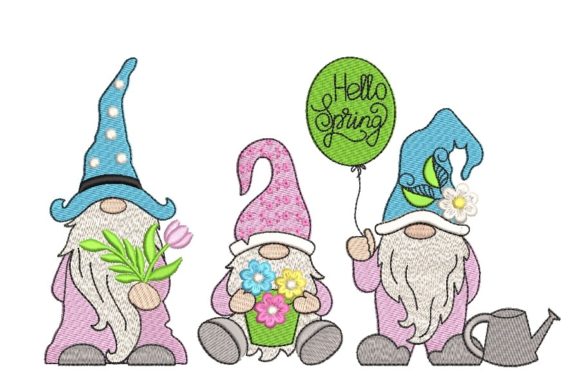
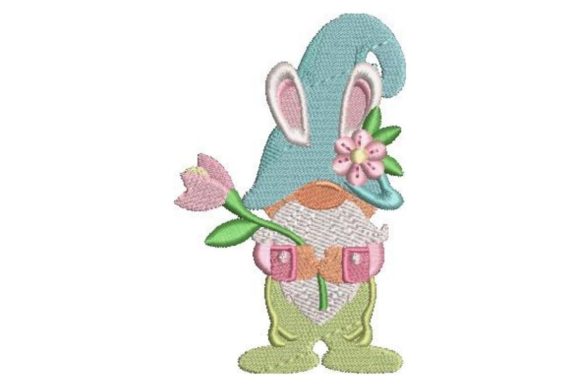
The moment I loaded the preview for Spring Gnome, the mood was immediately clear. It captures that whimsical, earthy vibe essential for the season without feeling cluttered. For a design centered around gardening love, the layout strikes a balance between playful character work and clean negative space. In my experience, gnomes can often become too dense with facial details or hat textures, leading to bird-nesting or lost definition. However, this design appears to utilize a smart mix of satin stitch for crisp outlines and fill stitch areas that are open enough to prevent puckering.
The visual personality suggests versatility. It feels at home on a rustic kitchen towel just as much as it does on a modern nursery wall hanging. The shapes are distinct, which is crucial when you are working with thread colors that might blend too closely on certain fabrics. If you are an Etsy seller looking to expand your spring collection, this kind of clear, recognizable imagery is vital for thumbnail recognition in crowded marketplaces.
Real-World Application: The Tote Bag Test
To truly gauge the viability of Spring Gnome, I mentally walked through a specific project scenario: creating a custom embroidered tote bag for a local farmer's market vendor. This is a high-stakes item; it needs to withstand weight, movement, and frequent washing while maintaining its aesthetic appeal.
For a tote bag design like this, the placement would likely be central on the front panel. The design's proportions seem well-suited for a standard 5x7 hoop, though you must verify the specific hoop size requirements in the file documentation before hooping up. When imagining this stitched onto heavy canvas or cotton duck, the stitch density becomes a major factor. If the design is too dense, the fabric will pull, causing the bag to warp. If it is too light, the canvas texture will show through, making the gnome look unfinished. Based on the visual complexity, Spring Gnome seems to offer enough coverage to hide the weave of a medium-weight fabric while remaining flexible enough not to stiffen the bag excessively.
Furthermore, for a small shop product intended for sale, the finish matters. Customers touch items before buying. A design with clean trim points and secure underlay ensures that the finished product feels durable. This design's potential to serve as a focal point on apparel or accessories makes it a strong candidate for boutique branding.
Versatility Across Different Substrates
Beyond tote bags, the adaptability of Spring Gnome shines in various contexts. Consider sweatshirt embroidery. On fleece or French terry, the pile can swallow small details. This design's bold shapes suggest it would pop nicely against the textured background of a cozy hoodie, provided you use the correct stabilizer to prevent sinking. Similarly, for baby embroidery projects like onesies or bibs, the soft, non-aggressive lines of the gnome fit the gentle aesthetic required for infant wear. However, on stretchy knits, you must be cautious with satin columns to ensure they don't crack when the fabric stretches.
For those running a craft business focused on home decor, this file could easily transition into pillow covers or tea towels. The theme aligns perfectly with holiday embroidery for Easter or general spring decor. Even as a printable mockup for digital listings, the silhouette is strong enough to remain identifiable even when scaled down for social media posts.
Technical Considerations and Potential Pitfalls
While Spring Gnome shows promise, no design is without its challenges. Experienced embroiderers know that the devil is in the details. Here are a few areas where caution is advised:
- Fabric Texture: On highly textured fabrics like waffle weave or thick terrycloth, fine running stitch details might get lost. Always test on a scrap piece of your actual material first.
- Dark Fabrics: If you plan to stitch this on black or navy garments, check if the design includes a solid underlay or if you need to manually add one. Without it, the base fabric might peek through the lighter thread colors of the gnome's hat or beard.
- Curved Surfaces: Applying this to a cap requires careful positioning. The curvature of the front panel can distort wide designs. Ensure the width of Spring Gnome fits comfortably within the usable area of your cap frame without hitting the seams.
- Washability: For items like aprons or kitchen towels that face frequent laundering, inspect the density of the fill stitches. Overly dense areas can trap water and take forever to dry, or worse, cause the threads to break over time.
Maximizing Value and Professionalism
The ultimate goal of using a high-quality digital embroidery file is to enhance the perceived value of your work. A crisp, well-stitched Spring Gnome signals to your customer that you care about quality. It builds trust. Whether you are selling custom apparel or creating a personalized gift for a friend, the clarity of the stitch-out reflects directly on your brand consistency.
For commercial embroidery projects, efficiency is key. A design that runs smoothly without constant thread breaks or trimming issues saves you time and money. While the product description mentions multiple file formats, always double-check that you have the correct format for your specific machine model to avoid conversion errors that can ruin stitch paths.
Final Verdict for Designers and Makers
In the world of design assets, finding a file that balances charm with technical stability is rare. Spring Gnome appears to be a robust option for those looking to inject some seasonal cheer into their inventory. It offers a friendly aesthetic that resonates with gardening enthusiasts and spring lovers alike.
Before committing to a full production run, I recommend stitching a sample on both light and dark fabrics to assess contrast. Check the back of the hoop to ensure the bobbin thread isn't pulling excessively, which can indicate tension issues. And crucially, review the licensing terms provided with the download. As an Etsy seller or independent maker, you must confirm whether the license allows for unlimited physical sales or if there are restrictions on using the embroidery file for digital resale.
If you are looking to refresh your lineup with something that feels fresh yet timeless, this design is worth considering. With proper stabilizer selection and thoughtful fabric pairing, Spring Gnome can be the star of your next successful embroidery project, delivering a finished product that brings joy to both the maker and the recipient.