Purple Petal Flower: A Designer's Review for Real Projects
As an embroidery designer who spends hours digitizing and stitching for clients, I know that finding a high-quality machine embroidery design can be the difference between a profitable product line and a pile of unpicked threads. Recently, I came across the Purple Petal Flower on Creative Fabrica while sourcing assets for a spring home decor collection. The listing describes it as a "splendid purple flower" with an exquisite and charming look, promising to be a stunning accent for pillows and linens. Before committing this design to a paid customer order, I wanted to evaluate whether it holds up under the scrutiny of real-world production.
First Impressions and Visual Mood
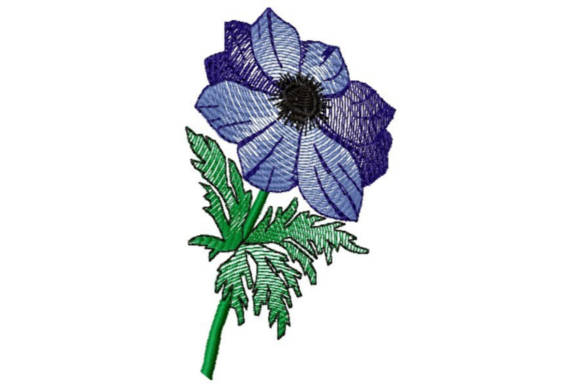
The immediate appeal of the Purple Petal Flower lies in its color palette and composition. In the digital preview, the shades of purple suggest a regal yet soft aesthetic, perfect for projects that need a touch of elegance without being overly loud. For designers working in the Single Flowers category, finding a bloom that stands alone as a focal point is crucial. This design appears to have a natural flow, avoiding the stiff, robotic look that sometimes plagues stock embroidery files.
The visual mood is distinctly romantic and serene. It feels like a design that would sit comfortably on a nursery blanket just as well as it would on a boutique tote bag. The "charming" descriptor in the product description seems accurate; it doesn't scream for attention but rather invites a closer look. For those creating handmade products intended as personalized gifts, this subtle sophistication is often exactly what buyers are looking for.
Evaluating Performance on Real Fabrics
When considering a new design for commercial embroidery, my mind immediately goes to fabric compatibility. How will this Purple Petal Flower behave on different textures? Based on the visual complexity shown in the listing, here is how I anticipate it performing across various materials:
- Tote Bags and Canvas: The sturdy nature of canvas should support the stitch structure well, making this an excellent candidate for a tote bag design. The contrast of purple thread against natural or white canvas would be striking.
- Sweatshirts and Fleece: For sweatshirt embroidery, the key will be using the right stabilizer. If the design relies heavily on fill stitch areas, it could become stiff on thick fleece. A cut-away stabilizer would likely be necessary to prevent puckering over time.
- Pillow Covers and Home Decor: As suggested by the product description, this is a natural fit for bed sheets and decorative pillows. On woven home decor fabrics, the details should pop beautifully, adding value to the finished product.
- Caps and Curved Surfaces: This is where caution is needed. If the design has a large horizontal span or dense stitch density, it might struggle on the curved surface of a cap. It is best suited for flat applications unless the hoop size is small enough to manage the curve effectively.
Technical Considerations for Production
Before running this design on a final garment, there are several technical factors every professional must verify. Since specific technical data like exact stitch count or file formats were not detailed in the brief description, it is vital to check the full product page on Creative Fabrica before downloading.
Hoop Size and Layout: Confirm that the design fits within your available hoop sizes. If you are working with small items like kitchen towels or baby bibs, ensure the design scales down without losing definition. Conversely, if you plan to enlarge it for a wall hanging, check if the running stitch outlines remain smooth or if they become jagged.
Thread Colors and Contrast: The beauty of the Purple Petal Flower depends heavily on thread selection. While the preview shows specific shades, swapping these for variegated threads or metallic accents could elevate the design for a luxury market. However, always test on scrap fabric first. Check how the purple tones interact with dark fabrics; you may need to add a layer of white underlay or choose a lighter shade of purple to ensure visibility.
Stitch Density and Texture: Dense designs can cause fabric distortion, especially on stretchy materials like jersey knits used for custom apparel. Inspect the ratio of satin stitch to fill stitch. Satin columns offer a shiny, premium look but can snag easily if too long. If this design is intended for items that will undergo frequent washing, such as aprons or children's clothing, ensure the density isn't so high that it creates a cardboard-like texture.
Enhancing Product Value and Brand Appeal
In the competitive world of Etsy selling and craft fairs, the quality of your design assets directly impacts buyer trust. Using a well-executed floral motif like the Purple Petal Flower can significantly enhance the perceived value of your goods. A crisp, clean embroidery job signals professionalism.
For brand consistency, this design offers versatility. It could serve as a signature element across a product line, appearing on everything from an embroidered patch to a high-end pillow cover. When photographed for printable mockups or social media, the rich purple hues tend to capture light well, resulting in engaging images that drive clicks and sales.
Furthermore, the "exquisite" nature of the flower makes it highly giftable. Customers are often willing to pay a premium for items that look intricate and thoughtful. Whether you are selling directly to consumers or fulfilling B2B orders for boutique merchandise, a design that looks expensive but is efficient to stitch improves your profit margins.
Final Verdict for Designers
The Purple Petal Flower appears to be a strong contender for spring and summer collections, particularly for home decor and light apparel. Its charm lies in its ability to blend into various aesthetics while maintaining a distinct identity. However, as with any digital embroidery file sourced from platforms like Creative Fabrica, due diligence is required.
Always review the licensing terms to ensure the file is cleared for commercial embroidery use. Test the design on the specific fabric you intend to sell, paying close attention to how the stitches settle after washing. If the technical specs align with your machine capabilities and your project needs, this design has the potential to be a staple in your library, helping you create beautiful, sellable items that customers will love.
By approaching this embroidery asset with a critical eye and testing it rigorously, you can transform a simple download into a cornerstone of your handmade business success.