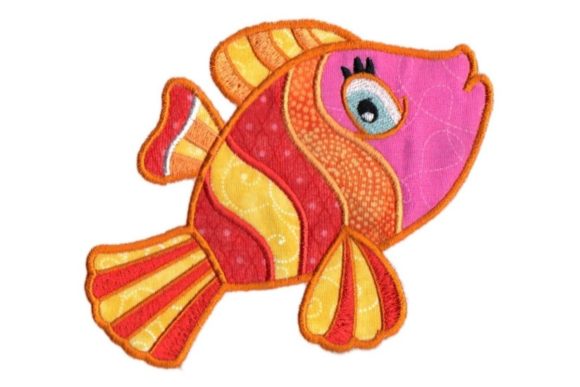
Review: Red Orange and Pink Tropical Fish for Merch
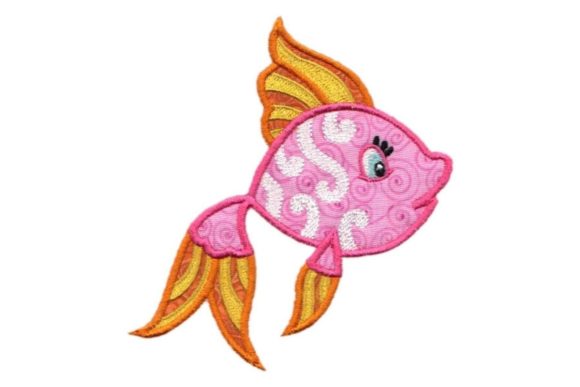
As an embroidery designer who has spent years digitizing and testing files for small business clients, I approach every new digital embroidery file with a critical eye. It is not just about whether the design looks pretty on a screen; it is about how it performs under the needle, how it translates to fabric, and ultimately, how it serves the brand identity of the business using it. Today, I am reviewing the Red Orange and Pink Tropical Fish, a machine applique design that promises versatility for summer collections and branded merchandise.
My first impression of this design is one of vibrant energy and playful professionalism. The color palette—combining fiery reds, warm oranges, and soft pinks—immediately suggests a brand that is friendly, approachable, and creative. This is not a stiff, corporate logo; it is a design asset that feels handmade yet polished. For boutique owners, Etsy sellers, and creative studios, this visual personality is crucial. It signals to customers that the business values aesthetics and fun, making it an excellent choice for small business merch that needs to stand out in a crowded market.
Real-World Application for Branded Goods
The true test of any machine embroidery design is its adaptability across different products. The product description notes that you can stitch this embroidery on beach towels, summer t-shirts, hats, and other accessories. From a commercial perspective, this opens up a wide array of revenue streams for apparel decorators and craft businesses.
Consider a local beachside café or a florist shop looking to upgrade their staff uniforms. Applying the Red Orange and Pink Tropical Fish as a chest logo accent on work shirts or as a detailed patch on aprons can instantly unify the team's look while reinforcing a summer-ready brand vibe. Because this is designed for machine applique, it offers a textured, high-end finish that flat stitching often cannot achieve. The fabric layers in applique add depth, making the fish pop against dark uniforms or neutral canvas tote bags.
For handmade brands selling at markets or online, this design works beautifully as a standalone feature on custom apparel. Imagine a limited-run summer t-shirt collection where this fish is the central graphic. Or, consider using it as a branded add-on for customer gifts—a small embroidered patch sewn onto packaging or a thank-you card. The versatility allows business owners to create cohesive design assets that appear on everything from cap embroidery to tote bag design projects.
Technical Considerations for Production
While the aesthetic appeal is strong, professional embroiderers must address the technical realities before running a production batch. Since this is an applique design, the process involves multiple stops for fabric placement and tack-down stitching. This requires precision. When planning your finished product, you must verify the hoop size required for the specific file format you purchase. If the design is too large for a standard cap frame, you may need to resize it, which can impact the integrity of the details.
One area requiring careful attention is stitch density. Applique designs generally have lower fill density because the fabric provides the color, but the border stitching must be dense enough to prevent fraying after repeated washing. If you are applying this to textured fabrics like terrycloth beach towels or heavy canvas, ensure your stabilizer choice is robust. A cut-away stabilizer is often recommended for items that will undergo frequent laundering, such as staff uniforms or daily-use tote bags.
Additionally, be mindful of where you place the design. On curved surfaces like the front of a baseball cap, complex outlines can sometimes distort if the fabric shifts during hooping. I always recommend running a test stitch-out on a scrap piece of the actual material you intend to use. This allows you to check thread tension and ensure the applique fabric lies flat without bubbling.
Impact on Brand Identity and Customer Trust
In the world of small business, consistency builds trust. Using a high-quality embroidery file like the Red Orange and Pink Tropical Fish contributes to a perception of quality. Customers associate crisp, well-executed embroidery with a premium brand. If the edges are clean and the colors are vibrant, it reflects positively on the business's attention to detail.
This design specifically enhances brand recognition through its unique color story. The combination of red, orange, and pink is distinctive. When customers see this specific fish on a hat, then later on a tote bag, they begin to associate those colors and that imagery with your brand. It creates a visual shorthand that aids in marketing without needing words. For businesses focusing on handmade product lines, this level of customization adds perceived value, allowing you to command higher price points compared to mass-printed goods.
Essential Designer Notes for Business Owners
Before integrating this design into your commercial workflow, I advise following a strict checklist to ensure success:
- Test in Monochrome First: Even though the design is colorful, stitch a test run in black and white thread. This helps you evaluate the shape and contrast without the distraction of color matching.
- Check Scalability: Determine if the design holds up at smaller sizes. If you plan to use it as a small sleeve detail or a tiny patch, ensure the applique pieces are not too small to cut and place accurately.
- Review Thread Contrast: Ensure the thread colors used for the border stitching contrast sufficiently with both the applique fabric and the base garment to define the shape clearly.
- Verify Licensing: Always confirm the commercial licensing terms included with the digital embroidery file. Ensure you have the right to sell finished goods featuring this design.
- Create a Printable Mockup: Before stitching, create a digital mockup to show clients or visualize the placement on different garments. This saves time and materials.
- Follow Included Instructions: The product notes state to "follow the instructions included in the Sewing." Adhere strictly to these guidelines regarding sequence and fabric types to avoid production errors.
The Red Orange and Pink Tropical Fish is more than just a decorative element; it is a strategic tool for branding. Whether used for apron embroidery in a bakery, patches for a surf shop, or accents on event merchandise, its potential is vast. However, its success depends on thoughtful execution. By respecting the technical requirements of applique and understanding the psychological impact of its colors, small business owners can leverage this design to create memorable, high-value products that resonate with their audience.
Ultimately, the goal is to create a finished product that customers love to wear and use. With proper testing and attention to detail, this tropical fish design can become a staple in your catalog of commercial embroidery projects, driving engagement and sales throughout the summer season and beyond.