Pink Tropical Fish: A Designer's Review for Branded Merch
As an embroidery designer who has spent years digitizing and testing files for small business clients, I approach every new machine embroidery design with a critical eye. It is not just about whether the image looks cute on a screen; it is about how that digital embroidery file translates into a tangible asset that builds brand identity. Today, I am reviewing the Pink Tropical Fish, a machine applique design intended to bring an original and fresh touch to marine projects. For boutique owners, café managers, and handmade brands looking to elevate their small business merch, this review breaks down exactly how this design performs in real-world commercial applications.
First Impressions: Visual Personality and Brand Fit
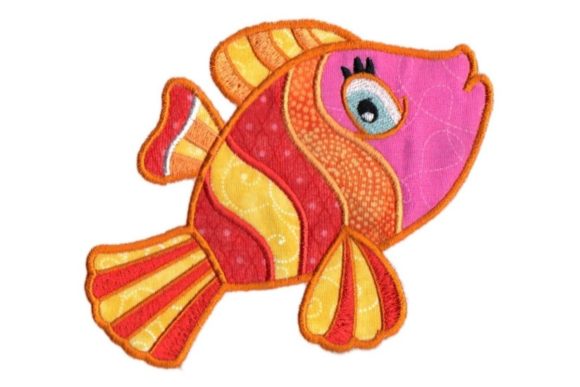
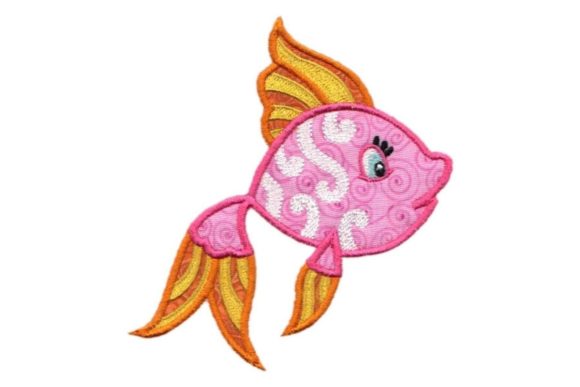
The moment you load the Pink Tropical Fish into your editing software, the immediate impression is one of playful vibrancy. The use of pink in a marine context suggests a departure from the standard navy and teal palette often seen in nautical themes. This makes the design feel modern, friendly, and distinctly handmade. For a creative studio, a florist with a coastal vibe, or a pet brand focusing on aquatic friends, this aesthetic offers a unique hook. It does not scream "corporate uniform" in a stiff sense; rather, it whispers "boutique quality" and "creative flair."
However, because this is an applique design, the visual weight is significant. Applique adds texture and dimension that flat stitching cannot achieve. This contributes to a premium feel, making the finished product look more expensive and durable. For businesses selling custom apparel or branded goods, this perceived value is crucial. The design feels decorative yet structured, striking a balance that works well for customer gifts or limited-edition drops on Etsy.
Real-World Business Applications
When evaluating where Pink Tropical Fish fits into a product line, the possibilities for commercial embroidery are extensive. Because the design relies on fabric layers, it is exceptionally durable, making it ideal for items that undergo frequent washing or heavy wear.
- Embroidered Patches: This is perhaps the strongest use case. Creating a run of iron-on or sew-on patches allows a business to sell the design as a standalone product or use it to brand packaging. The applique technique ensures the colors remain vibrant without the risk of thread breakage common in high-density satin stitching.
- Staff Uniforms and Aprons: For a beachside café or a surf shop, adding this design to the corner of an apron embroidery project adds personality without overwhelming the uniform. It serves as a subtle badge of team identity.
- Tote Bags and Caps: As a tote bag design, the fish acts as a central focal point. On caps, it requires careful placement due to the curvature, but if executed correctly, it creates a standout piece of cap embroidery that customers love to wear.
- Event Merchandise: For summer pop-up shops or local markets, this design serves as an excellent thematic element that ties together various product lines, from towels to shirts.
Technical Considerations for Production
While the aesthetic appeal is high, a professional must address the technical realities before committing to a large production run. The product description notes that these designs are meant for machine applique and instructs users to follow the included Sewing Info PDF. This is a critical detail. Unlike standard fill stitches, applique requires precise cutting and placement of fabric.
One major consideration is stitch density. Applique generally reduces the amount of thread needed compared to a full satin fill, which is excellent for preventing puckering on lighter fabrics. However, the perimeter stitching must be tight enough to secure the fabric edges without digging into the material. When working on textured fabrics like canvas totes or thick twill caps, you must ensure the needle penetrates cleanly without skipping.
There are specific scenarios where Pink Tropical Fish should be used with caution:
- Small Patch Sizes: If you intend to shrink this design for a tiny chest logo or a sleeve detail, test it first. Applique pieces that are too small become difficult to cut and place accurately, potentially ruining the clean lines of the fish shape.
- Curved Surfaces: Applying this to the front of a structured cap requires a experienced hand. The fabric layers of the applique can create bulk that might distort the shape of the cap if the hoop size and stabilizer are not chosen correctly.
- Dark Uniforms: While the pink offers great contrast, ensure your backing fabric for the applique is opaque. If the underlying garment shows through the applique fabric, it can dull the vibrancy of the design.
Impact on Brand Identity and Customer Trust
In the world of handmade products and small business branding, consistency is key. Using a distinct design like Pink Tropical Fish across various touchpoints—from staff shirts to thank-you cards with attached patches—creates visual consistency. It tells the customer that attention to detail is a core value of the brand.
Furthermore, the tactile nature of applique enhances buyer engagement. Customers are drawn to touch textured embroidery. This sensory experience can increase the perceived value of the item, justifying a higher price point for your handmade product. It transforms a simple commodity into a collectible piece of art. For an Etsy seller, showcasing a printable mockup of this design on a high-quality tote bag can significantly boost click-through rates, as the imagery promises a unique, non-mass-produced item.
Designer Notes for Successful Implementation
Before you begin stitching for clients, adhere to these professional best practices to ensure the highest quality results:
- Test in Black and White: Before committing to thread colors, print a grayscale version of the design to check the contrast and clarity of the shapes.
- Verify Hoop Size: Confirm the required hoop size against your machine's capabilities. Do not attempt to force a design into a smaller hoop than recommended, as this leads to registration errors.
- Select the Right Stabilizer: Applique adds weight. Use a cut-away stabilizer for stretchy fabrics like t-shirts to prevent distortion over time, and tear-away for stable woven fabrics like denim or canvas.
- Check Thread Colors: Ensure your thread colors match the intended brand palette. The "pink" in the title can vary wildly between manufacturers; match it to your specific brand guidelines.
- Create a Mockup: Always create a physical sample or a high-fidelity digital mockup for client approval before running the full batch.
- Review Licensing: Most importantly, confirm the commercial licensing terms. The description advises checking the Sewing Info PDF; ensure this license covers the volume of production you intend for your design assets.
In conclusion, the Pink Tropical Fish is a versatile and charming addition to any embroidery library, provided it is treated with the technical respect it deserves. By understanding its strengths as an applique design and acknowledging its limitations regarding size and placement, small business owners can leverage this file to create stunning, memorable merchandise that resonates with their audience.