Pumpkin Monogram Review: A Fall Staple for Embroidery
As an embroidery designer who spends countless hours digitizing and stitching for clients, I am always on the lookout for design assets that balance aesthetic appeal with technical reliability. When I stumbled upon the Pumpkin Monogram on Creative Fabrica, my immediate thought was not just about how cute it looked, but whether it could hold up under the pressure of a real commercial order. In the world of commercial embroidery, a pretty picture on a screen does not always translate to a flawless finished product. This review breaks down the potential of this machine embroidery design for your autumn projects, from Etsy listings to boutique merchandise.
First Impressions and Visual Mood
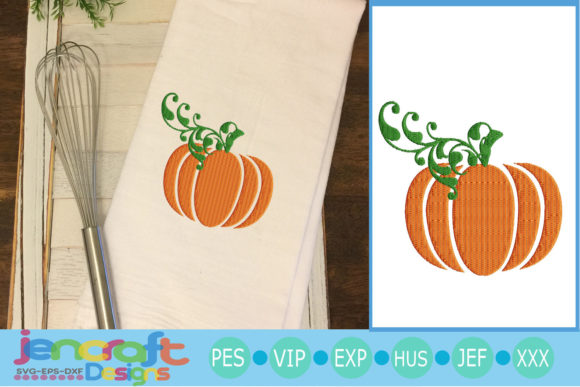
The first thing that strikes you about the Pumpkin Monogram is its simplicity. In an era where overly complex digitizing can lead to thread breaks and frustration, there is something refreshing about a design that knows when to stop. The visual mood is sophisticated yet undeniably cozy, capturing the essence of Autumn without relying on cliché cartoonish elements. It feels like a design intended for someone who appreciates subtle seasonal nods rather than loud statements.
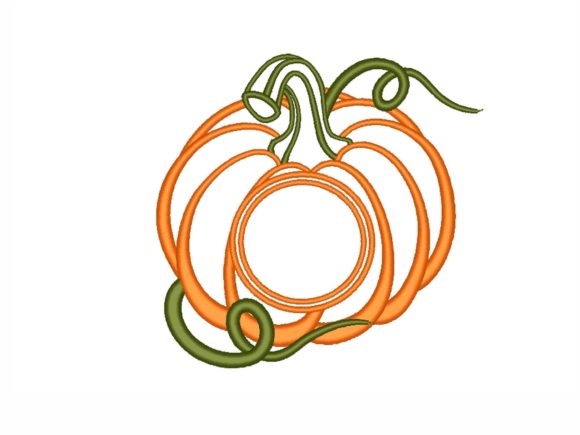
From a decorative standpoint, the monogram integration appears seamless. The pumpkin shape serves as a natural frame for the lettering, creating a unified logo rather than two separate elements slapped together. For designers looking to create a cohesive brand identity for fall collections, this kind of thoughtful composition is gold. It suggests a level of care that customers notice immediately, enhancing the perceived value of any handmade product it adorns.
Real-World Application Scenarios
Let's move beyond theory and talk about where this embroidery file actually shines in a workshop setting. I envision this design working exceptionally well on custom apparel. Imagine a cream-colored linen button-down or a heavy cotton sweatshirt embroidery project; the clean lines of the pumpkin would pop beautifully against neutral fabrics. It is also a strong contender for home decor. A set of kitchen towels featuring this monogram could be a best-seller for holiday hosting, provided the stitch count and density are appropriate for frequent washing.
For those running an online shop, versatility is key. This design fits perfectly on a canvas tote bag design, offering a seasonal update to a year-round staple. It could also be scaled down for an embroidered patch, which is a huge trend right now. Patches allow customers to add a touch of fall to jackets or backpacks without committing to permanent stitching. Furthermore, for digital product sellers, this asset is ideal for creating printable mockup images. The clear silhouette makes it easy to visualize on various products, helping you generate sales before you even stitch a single thread.
Navigating Technical Challenges
However, no review is complete without addressing the practical hurdles of machine embroidery. While the description highlights that this is a "simple and sophisticated" design, we must consider the physics of stitching. If you plan to use this on stretchy fabrics like jersey knits for baby items or caps, the stability of the monogram letters is crucial. Tiny lettering within a curved shape like a pumpkin can sometimes suffer from registration issues if the stitch density is too high or if the pull compensation isn't adequate.
Before committing to a customer order, I strongly advise testing on scrap fabric that matches your final material. If you are stitching on a dark fabric, pay close attention to the thread colors selected. A traditional orange might get lost against a deep burgundy background, so consider using a metallic gold or a contrasting cream thread to maintain visibility. Additionally, if you are applying this to a curved surface like a cap, ensure the hoop size you have available can accommodate the design without distortion. Caps are notoriously tricky, and a design that looks flat on a table may pucker when applied to a structured front panel.
Another consideration is the type of stitches used. Although the specific file details like satin stitch, fill stitch, or running stitch counts are not explicitly detailed in the short product snippet, these factors dictate your choice of stabilizer. For a design intended for apparel that will be worn and washed, a cut-away stabilizer is often safer than tear-away to prevent the monogram from sinking into the fabric over time. Always inspect small details after your test run. Are the edges of the pumpkin crisp? Do the monogram letters connect smoothly, or are there jumps that need trimming?
Enhancing Product Value and Brand Trust
In the competitive landscape of handmade goods, presentation is everything. Using a high-quality design like the Pumpkin Monogram can significantly boost buyer trust. When a customer sees precise stitching and a well-balanced composition, they associate that quality with your entire brand. It signals that you are a professional who selects premium design assets rather than grabbing free, low-resolution files from the internet.
This attention to detail directly impacts product photography. A clean, well-executed monogram photographs beautifully, making your social media posts and Etsy listings more engaging. It invites the viewer to imagine the personalized gift in their own home. Whether it is a nursery decor item for an October baby or a thoughtful hostess gift, the emotional connection driven by good design can turn a browser into a buyer.
Final Verdict and Licensing Checks
The Pumpkin Monogram from Creative Fabrica shows great promise for designers looking to expand their autumn catalog. Its strength lies in its adaptability and classic aesthetic. However, as with any digital purchase, due diligence is required. Since the product description mentions it comes with machine embroidery designs but cuts off before listing specific formats or license terms, you must visit the product page to confirm the details.
Ensure the file formats match your machine (whether you need PES, DST, EXP, or others) and carefully read the licensing agreement regarding commercial embroidery usage. Some licenses allow for unlimited physical sales, while others may have restrictions. Never assume; always verify. Once you have confirmed the technical specs and license, run your tests, check your tension, and prepare to stitch. With the right preparation, this design could become a staple in your seasonal lineup, delivering both beauty and reliability to your customers.