Fall Pumpkin Review: A Designer's Take on Autumn Stitching
As we transition into the cooler months, the demand for seasonal decor and apparel spikes dramatically. For those of us running small shops or managing custom orders, choosing the right machine embroidery design is less about picking a pretty picture and more about predicting performance on the hoop. I recently took a close look at the Fall Pumpkin design to see if it holds up under the scrutiny of real-world production. This isn't just a digital preview; this is an evaluation of how this file behaves when thread meets fabric.
First Impressions and Visual Personality
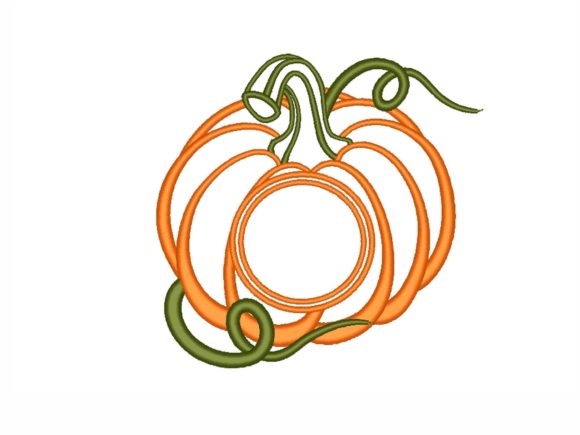
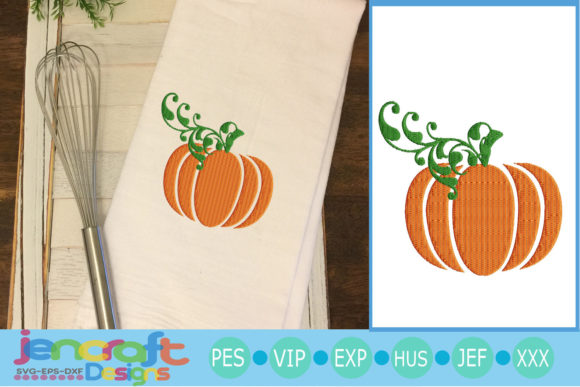
The moment you load the Fall Pumpkin preview, the mood is immediately set. It captures that cozy, rustic essence of Autumn without feeling cluttered or overly cartoonish. The shape is classic, suggesting a traditional gourd rather than a stylized abstraction, which gives it broad appeal for a wide demographic. From a layout perspective, the design feels balanced. It doesn't rely on tiny, fragile details that might get lost in thick toweling, nor does it use such dense fill stitches that it turns into a plastic-like puckered mess.
What stands out most is the visual personality. It feels warm and inviting, making it an ideal candidate for personalized gifts and home goods. Whether you are aiming for a farmhouse aesthetic or a modern boutique look, this design adapts well because its lines are clean. For an Etsy seller looking to expand their holiday catalog, this kind of versatility is gold. It speaks to customers who want subtle seasonal nods rather than loud, overwhelming graphics.
Real-World Application: The Kitchen Towel Test
To truly gauge the viability of any embroidery project, I mentally run it through a specific use case. Let's say a client commissions a set of coordinated kitchen linens for a housewarming gift. This is where Fall Pumpkin shines. Kitchen towels often have a waffle weave or a textured loop, which can be tricky for detailed digitizing. However, the structure of this pumpkin design appears robust enough to sit nicely on these surfaces.
Imagine stitching this onto a cream-colored linen tea towel. The contrast of deep orange and forest green threads against the neutral background creates an instant focal point. Because the design likely utilizes a mix of satin stitch for the outlines and fill stitch for the body, it adds a tactile dimension that customers love to touch. It elevates a simple $5 towel into a $25 handmade product. The perceived value increases significantly when the stitching looks crisp and intentional, which this design facilitates.
Beyond linens, consider custom apparel. A left-chest placement on a heather grey sweatshirt or a canvas tote bag works beautifully here. The scale seems appropriate for these items, providing enough presence to be noticed without dominating the garment. For a craft business owner, this means you can offer matching sets—aprons, towels, and totes—creating a cohesive collection that encourages larger basket sizes at craft fairs.
Navigating Fabric Challenges and Hoop Constraints
While the design is promising, a professional reviewer must also identify potential pitfalls. Not every fabric plays nice with every file. If you are planning to stitch Fall Pumpkin on stretchy knits, like a baby onesie or a thin t-shirt, you need to be cautious. The density of the fill stitches could cause puckering if the stabilizer isn't up to the task. Always test on scrap fabric first. I recommend using a cut-away stabilizer for garments that will undergo frequent washing to ensure the design maintains its shape over time.
Another consideration is the hoop size. While the description suggests versatility, you must verify the specific dimensions of the digital embroidery file before committing to a project on a cap or a small pocket. Curved surfaces like baseball caps require designs that are not too wide or tall, and while this pumpkin shape is generally forgiving, checking the exact measurements against your machine's capabilities is non-negotiable. Similarly, if you are working with dark fabrics, pay attention to the thread colors suggested in the file. You may need to manually adjust the sequence to include an underlay or backing to prevent the dark fabric from showing through lighter orange threads.
Commercial Viability and Brand Consistency
For commercial embroidery professionals, consistency is key. If you are producing batches of these for a boutique, the design needs to stitch out reliably every single time. The Fall Pumpkin design appears to have a logical stitch path, which minimizes thread breaks and trim times. This efficiency directly impacts your profit margin. Less time spent fixing jumps or re-hooping means more units produced per hour.
Furthermore, the aesthetic of this design supports brand building. If your shop specializes in high-quality, nature-inspired goods, this asset fits perfectly. It reinforces a narrative of warmth and craftsmanship. When a customer receives a finished product featuring this design, the clarity of the stitches and the appropriateness of the theme build trust. They see that care was taken in the selection of the design assets, which reflects well on your overall brand professionalism.
It is also worth noting the potential for printable mockups. Before even stitching a single thread, this design photographs well for digital listings. The clear shapes and seasonal colors pop in photos, helping to drive clicks and engagement on online marketplaces. A strong visual presentation in your shop can be just as important as the physical quality of the stitch.
Final Verdict and Practical Notes
In conclusion, Fall Pumpkin is a solid contender for your autumn lineup. It bridges the gap between decorative home accents and wearable art effectively. However, success lies in the preparation. Do not assume the default settings will work for every material. Check the stitch density against your specific fabric weight. If you are creating an embroidered patch, you might need to increase the density or add a merrow border, depending on the file's capabilities.
Always review the licensing terms provided with the download. While many designs allow for unlimited physical sales, restrictions on sharing the actual embroidery file are common. Ensure you are compliant before listing items for sale. Finally, remember that context matters. This design thrives on natural fibers like cotton, linen, and canvas. Pushing it onto synthetic, slippery materials might yield disappointing results.
By approaching Fall Pumpkin with a strategist's mind and a crafter's heart, you can turn a simple digital file into a best-selling small shop product. It offers the reliability needed for production and the charm required to connect with customers during the festive season. With proper testing and thoughtful application, this design is ready to help you stitch up a successful fall.