Placemat Roses Redwork: A Boutique Sweatshirt Review
As an embroidery designer who spends most of my days digitizing for high-end apparel, I am always skeptical when a design labeled for home decor crosses over into the fashion space. However, after pulling up the Placemat Roses Redwork file on my screen, I immediately saw potential beyond the dining table. The brief for this project was specific: create a limited-run drop of premium sweatshirts for a small boutique brand that feels cozy, handmade, and undeniably unique. We needed a motif that bridged the gap between rustic charm and modern streetwear. This review breaks down how this specific machine embroidery design performs when moved from the category of House to the world of custom apparel.
First Impressions: Mood and Layout
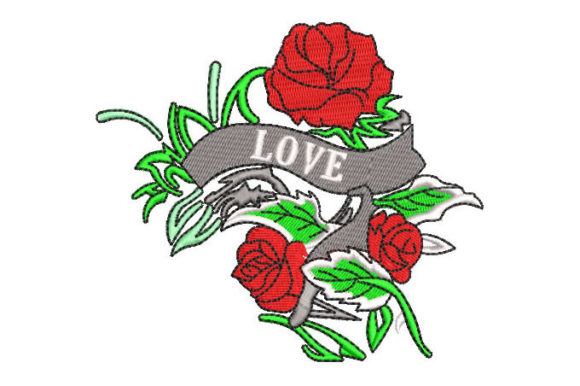
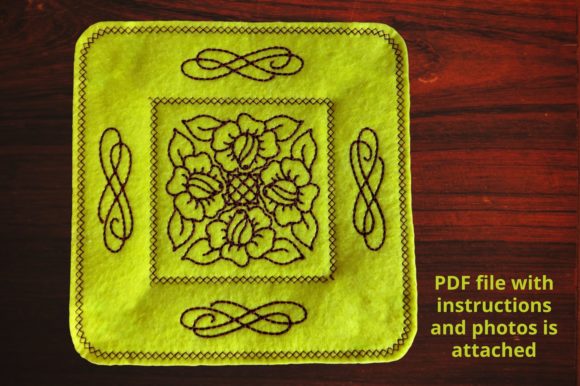
The moment you load the Placemat Roses Redwork into your editing software, the simplicity strikes you. True to its name, this is a redwork style design, meaning it relies on single-color outlining rather than dense fill stitching. For a designer, this is often a relief. There is no worrying about excessive pull or distortion on stretchy fabrics. The layout features delicate rose motifs that feel both vintage and playful. It lacks the heaviness of traditional floral fills, giving it a minimal and decorative air that fits perfectly with current trends in oversized hoodies and cozy seasonal apparel.
The "cute" factor mentioned in the product description translates well to fabric. It isn't childish; rather, it possesses a whimsical femininity that appeals to buyers looking for something softer than bold graphic tees. When visualizing this as a finished product, the lines suggest a hand-drawn quality, which adds immense value to a handmade product. For an Etsy seller or a creative entrepreneur, this aesthetic signals "crafted with care" rather than "mass-produced."
Adapting Home Decor for Premium Sweatshirts
Taking a design intended for placemats and applying it to a sweatshirt requires a shift in perspective regarding scale and placement. In my test run, I placed the Placemat Roses Redwork on the left chest of a heavyweight, neutral-colored crewneck. The result was understated elegance. The redwork lines popped beautifully against cream and oatmeal tones, creating a subtle brand mark that feels exclusive.
However, the real magic happened when we experimented with dark fabric. On a charcoal or black hoodie, using a contrasting thread color like soft pink or even keeping the traditional red created a striking visual. The open nature of the redwork allows the fabric texture to show through, preventing the design from feeling like a stiff patch. This is crucial for comfort. Nobody wants a brick of stitching on their chest. Because the stitch density is naturally low in redwork styles, the finished product remains flexible and breathable.
For those looking to create a bolder statement, scaling this design up for a full-back placement on an oversized hoodie works surprisingly well. The repetitive nature of floral elements in the file allows it to cover a larger area without looking cluttered. It transforms the garment into a piece of wearable art, perfect for lifestyle product photography where the focus is on the details of the stitch work.
Technical Considerations for Commercial Use
Before committing to a production run, there are practical designer concerns that must be addressed. While the design feels strong enough for commercial embroidery, the success lies in the execution details.
- Thread Color Contrast: Since this is a line-work design, your thread choice dictates everything. High contrast is key for readability, especially if the design is scaled down for sleeve accents.
- Stabilizer Choice: Even with low stitch density, sweatshirt fabric is thick and often fuzzy. Using a cut-away stabilizer is non-negotiable to prevent the stitches from sinking into the fleece backing over time.
- Fabric Thickness: Test your needle size. A standard 75/11 might struggle with heavy blends; a 90/14 is often safer for penetrating multiple layers of a hoodie without breaking threads.
- Small-Size Readability: If you plan to use this as a tiny logo on a cuff, ensure the fine lines of the roses do not merge. You may need to simplify the file or increase the size slightly to maintain clarity.
- Hoop Placement: Always account for the seam allowances on garments. The Placemat Roses Redwork flows organically, so ensure your hooping strategy doesn't cut off delicate petals near the edges.
It is important to note that the original product data does not specify exact stitch counts, file formats, or hoop sizes. As a professional, I strongly remind readers to check these technical details in the digital embroidery file before purchasing or starting production. Knowing whether the file is optimized for a 4x4 hoop or a larger frame will save you from costly mistakes during the setup phase.
Elevating Brand Identity and Value
In the competitive market of small shop products, visual recognition is everything. Using a distinctive motif like Placemat Roses Redwork helps build a cohesive brand identity. It moves away from generic clipart and offers a specific "vibe"—one that is rustic, welcoming, and artistic. When customers see this level of detail on a printable mockup or in person, it builds buyer trust. They perceive the item as higher quality because the embroidery looks intentional and refined.
Furthermore, this design enhances customer engagement. Apparel decorated with unique embroidery tends to perform better on social media. The texture of the thread against the soft fabric creates a tactile appeal that photographs wonderfully. For an apparel decorator, this means easier marketing content. You aren't just selling a sweatshirt; you are selling a piece of the House aesthetic that people want to surround themselves with.
Final Verdict for Creatives
The Placemat Roses Redwork is a versatile asset that punches above its weight class. While categorized under home goods, its application in sweatshirt embroidery is seamless when handled with the right technical approach. It offers a balance of cute and sophisticated that is hard to find in standard stock libraries. Whether you are digitizing for a boutique brand or adding a personal touch to gifts for friends and family, this design delivers a premium look without the complexity of high-density fills.
For the handmade business owner, this represents an opportunity to expand product lines with minimal risk. The washing durability of redwork is generally excellent due to the lack of dense saturation, ensuring your custom apparel lasts season after season. Just remember to verify the specific constraints of the embroidery file regarding hoop size and format compatibility. With the right stabilizer and thread choices, this design can become a signature element of your next collection, proving that sometimes the simplest stitches make the boldest statements.