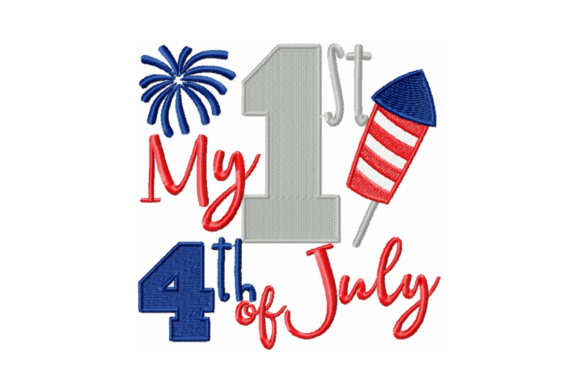
Review: My First 4th of July for Business Merch
As an embroidery designer who spends most of my day digitizing logos and troubleshooting stitch-outs for small business clients, I approach every new machine embroidery design with a critical eye. It is not just about whether a file looks cute on a screen; it is about how that digital embroidery file translates into a tangible asset that builds brand identity. Recently, I reviewed the "My First 4th of July" design, licensed by Sangunetti, specifically to evaluate its potential beyond baby clothes. While the product description highlights turning ideas into magical works of art for a baby's celebration, my focus was on its viability for small business merch, branded patches, and boutique offerings.
First Impressions and Visual Personality
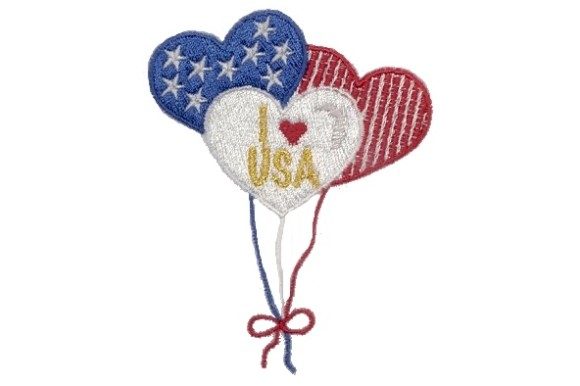
Upon loading the file and reviewing the preview, the immediate impression of "My First 4th of July" is one of playful warmth. The aesthetic leans heavily into a friendly, handmade vibe rather than a corporate or rigid industrial look. This is crucial for certain market segments. For a bakery, a florist, or a creative studio looking to release limited-edition Independence Day merchandise, this softness is an asset. It signals approachability and care, qualities that resonate deeply with customers buying handmade product lines.
The design feels decorative yet structured enough to hold its own as a focal point. It avoids being overly rustic, which can sometimes alienate modern buyers, but it also steers clear of being too sleek or modern, maintaining that classic holiday charm. For businesses selling custom apparel or event merch, this visual personality suggests a brand that values tradition and family, making it an excellent candidate for customer gifts or staff uniforms during the summer season.
Real-World Applications for Small Businesses
The true test of any embroidery asset is its versatility in real-world scenarios. While the title suggests infant wear, the application of "My First 4th of July" extends far beyond the nursery when viewed through a commercial lens. Here is how this design performs across various business use cases:
- Embroidered Patches: This is perhaps the strongest use case. The design's composition works beautifully as a woven or embroidered patch that can be ironed onto denim jackets, tote bags, or aprons. Patches allow businesses to create low-risk inventory that can be applied to various base products later.
- Staff Uniforms and Aprons: For a café or boutique hosting a 4th of July event, placing this design on the chest pocket of a work shirt or the bib of an apron embroidery project adds a festive touch without overwhelming the brand's primary logo. It serves as a seasonal accent that humanizes the staff.
- Cap Embroidery: Placed on the side panel or even the front of a dad hat, this design offers a subtle nod to the holiday. However, curvature must be considered during digitizing to ensure the text remains legible.
- Tote Bag Design: Canvas totes are staples for craft fairs and Etsy shops. Using this design as a central motif or a corner detail transforms a generic bag into a themed finished product ready for sale.
- Product Packaging Accents: Small versions of this design can be stitched onto fabric tags attached to gift wrapping or packaging, elevating the unboxing experience for customers.
Technical Considerations and Production Challenges
Every designer knows that a beautiful preview does not guarantee a perfect stitch-out. When integrating "My First 4th of July" into your production line, there are specific technical hurdles to address to ensure professionalism.
First, consider the stitch density. Holiday designs often incorporate fill stitches for stars or stripes which can become dense. If you are stitching this onto textured fabric like a heavy canvas tote or a pique polo, high density can cause puckering or registration issues. It is vital to review the underlay settings in your software before running a full batch.
Second, pay close attention to small details if you intend to scale the design down for a small patch or a sleeve detail. Tiny lettering and fine outlines can easily get lost or merge together if the hoop size limits your ability to maintain resolution. Always test the design at its smallest intended size on a scrap piece of the actual material you plan to use.
Furthermore, thread colors play a massive role in the final perception of the brand. While red, white, and blue are standard, ensure there is sufficient contrast, especially if applying the design to dark uniforms. A lack of contrast can make the design look muddy and unprofessional from a distance. Using a high-quality stabilizer is non-negotiable here, particularly for items that will undergo frequent washing, such as staff t-shirts or customer apparel.
Impact on Brand Identity and Customer Trust
Incorporating seasonal designs like "My First 4th of July" into your catalog does more than just fill a niche; it actively shapes customer perception. When a local business releases cohesive, well-executed seasonal merchandise, it reinforces reliability and creativity. It shows that the brand is active, engaged with the community, and attentive to detail.
For Etsy sellers and crafters, offering a unique take on a common holiday theme helps differentiate your shop from mass-market retailers. The "magical" quality mentioned in the product description translates to perceived value. Customers are often willing to pay a premium for items that feel special and celebratory. By using this design on high-quality blanks, you enhance the visual consistency of your brand assets, making your booth or online store look curated and professional.
Practical Designer Notes for Commercial Use
Before committing to a large production run or listing this item in your shop, I recommend following this checklist to mitigate risk and ensure quality:
- Test in Black and White: Print or stitch a monochrome version first to check the clarity of the shapes and spacing without relying on color contrast.
- Verify Scalability: Confirm that the design holds up at the specific dimensions required for your patches or cap fronts.
- Check Licensing Terms: The description notes the design is "Digitized Under License Granted by Sangunetti." Before using this for commercial embroidery projects or selling finished goods, you must confirm the specific terms of this license. Ensure you have the right to sell physical products featuring this design.
- Create a Printable Mockup: Generate a realistic mockup to show clients or post on social media before stitching a single thread. This helps gauge market interest.
- Fabric Testing: Always run a test stitch-out on the exact fabric weight and texture you intend to use. What works on cotton may fail on polyester blends.
- Compare Design Assets: Place this design alongside your existing logo and other seasonal assets to ensure it complements rather than clashes with your overall visual strategy.
In conclusion, "My First 4th of July" is a versatile asset that, when handled with technical precision, can significantly boost a small business's seasonal offerings. Whether used for a charming patch, a festive apron, or a limited-run tote, its potential lies in the execution. By respecting the technical constraints of embroidery and adhering to licensing agreements, designers can turn this file into a profitable and brand-enhancing product.