Dancer One Line Art: A Minimalist Review for Pros
As an embroidery designer who spends more time staring at stitch simulations than most people spend sleeping, I am always on the hunt for designs that balance aesthetic appeal with technical reliability. When I stumbled upon Dancer One Line Art on Creative Fabrica, my initial reaction was one of cautious optimism. In the world of machine embroidery design, "one line" or continuous line art styles are trendy, but they can be notoriously tricky to execute well on physical fabric. They often look great on a screen but turn into a bird's nest of thread breaks and puckering on a sweatshirt. I decided to evaluate this embroidery file not just as a digital asset, but as a potential cornerstone for real-world commercial projects.
First Impressions: Visual Mood and Stitch Personality
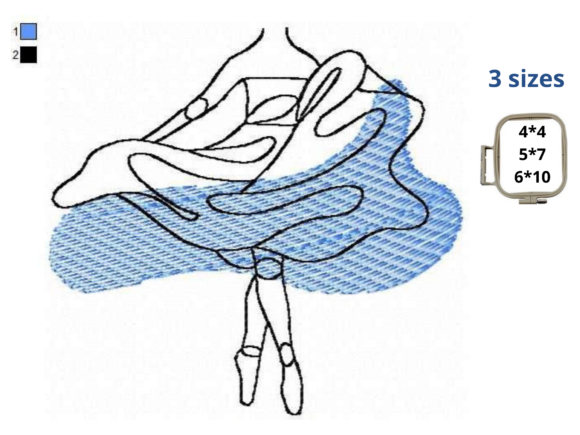
The visual mood of Dancer One Line Art is undeniably delicate and stylish. It captures the fluidity of Dance without relying on heavy shading or complex color blocks. For designers who appreciate minimalism, this is a breath of fresh air. The design relies heavily on the elegance of a single, unbroken path, which gives it a modern, artistic flair. Unlike traditional applique design options that require multiple fabric layers and extensive trimming, this piece leans into the simplicity of line work.
From a stitching personality perspective, the design appears to utilize a combination of running stitch and potentially very fine satin stitch elements to maintain that continuous flow. The decorative appeal lies in its versatility; because it isn't weighed down by dense fill areas, it feels lightweight and airy. This makes it a natural fit for projects where you want the embroidery to feel like part of the fabric rather than a heavy patch sitting on top of it. However, the lack of density also means there is little margin for error regarding fabric tension.
Real-World Application: Where This Design Shines
I immediately started brainstorming how Dancer One Line Art would perform across various substrates. For custom apparel, specifically lightweight t-shirts and flowy dresses, this design is a winner. The minimal thread usage ensures the garment remains soft and drapable, a crucial factor for dancewear or casual boutique clothing. If you are an Etsy seller looking to expand your catalog, this digital embroidery file is perfect for creating a cohesive collection of handmade product listings that feel high-end yet accessible.
Consider the potential for tote bag design. A simple canvas tote elevated with this elegant dancer motif instantly transforms a basic utility item into a piece of wearable art. Similarly, for sweatshirt embroidery, placing this design on the upper chest or sleeve cuff adds a touch of sophistication without the bulk that usually makes hoodies uncomfortable. It also works beautifully for personalized gift ideas, such as embroidering the silhouette onto a kitchen towel for a dance teacher or adding it to a nursery decor pillow cover for a young ballerina.
For those involved in commercial embroidery, the speed of production is a hidden benefit here. With fewer stops for thread changes and less jump stitching, this design can help increase throughput during busy seasons. It is also an excellent candidate for creating an embroidered patch if paired with a merrowed edge border, offering a unique alternative to the standard thick, puffy patches we see everywhere.
Technical Considerations and Fabric Challenges
While the aesthetic is stunning, we must discuss the technical realities. One-line designs are unforgiving on textured or stretchy fabrics. If you plan to stitch Dancer One Line Art on a ribbed knit or a rough linen, you must be vigilant about your stabilizer choice. A cut-away stabilizer is likely necessary for stretchy garments to prevent the design from distorting after the first wash. On dark fabrics, ensure your thread colors provide enough contrast; a subtle tone-on-tone effect might look chic in a printable mockup, but it can vanish entirely once stitched.
Another critical factor is the hoop size. While the design looks compact, you need to ensure your machine's hoop accommodates the full span of the dancer's movement without hitting the frame. If you are attempting this on a curved surface, like a cap, be aware that the continuous line may bridge gaps unevenly if the fabric isn't drum-tight. Furthermore, because the design lacks dense fill stitch areas to anchor the threads, small details could be prone to snagging if the stitch length is too long. Always inspect small details after stitching to ensure the line integrity holds up.
It is also vital to consider products that need frequent washing. Delicate line work can sometimes loosen over time. Before committing to a large batch of finished product for a client, I strongly advise testing on scrap fabric identical to your final material. Check the stitch density settings in your software if you have the ability to edit the file, perhaps slightly increasing density if the original feels too sparse for your specific thread brand.
Enhancing Brand Value and Customer Trust
Incorporating Dancer One Line Art into your inventory can significantly affect your brand consistency and perceived value. Clean, minimalist embroidery signals a modern, curated aesthetic that appeals to today's consumers. It suggests that the maker cares about subtlety and quality rather than just filling space with thread. This visual appeal translates directly to better product photography; the clean lines pop against solid backgrounds, making your social media feed look professional and cohesive.
Buyer trust is built on consistency. If you use this design across multiple items—say, a matching set of a tote bag and a sweatshirt—you create a recognizable signature style. This helps in building a loyal customer base who appreciates your specific design language. Moreover, the "giftability" of such items is high. A simple, elegant dancer motif feels thoughtful and personal, making it an ideal choice for holidays, recitals, or birthdays.
Final Verdict and Practical Next Steps
Is Dancer One Line Art worth downloading? For designers who understand the nuances of working with minimal stitch counts and prioritize a modern aesthetic, absolutely. It offers a versatile solution for a wide range of design assets without overwhelming the base material. However, it requires a skilled hand and proper preparation to shine.
Before you begin stitching for profit, remember to review the specific file details and licensing terms on the Creative Fabrica product page. The description mentions it comes with various formats, but always confirm compatibility with your specific machine model. Do not assume the hoop size or exact stitch count without checking the included documentation, as these vary by vendor. Compare light and dark fabric mockups to visualize the contrast, and never skip the test stitch.
Ultimately, this embroidery design is a tool. Like any tool, its value depends on how you wield it. Used correctly, Dancer One Line Art can elevate your handmade shop offerings, providing a stylish, professional finish that customers will love. Just respect the delicacy of the line, choose your materials wisely, and let the art of dance shine through your needlework.